Why is TSMC auditing rare-earth use in chip-factory robotics?
While China’s two-month extension of rare earth export waivers through January 10, 2027 averted an immediate November halt, semiconductor manufacturers are moving to reduce structural exposure. Industry reports indicate that TSMC and partner equipment vendors have begun auditing cleanroom wafer-handling robotics and lithography stage motors to identify where neodymium and dysprosium permanent magnets can be replaced with rare-earth-free motor designs.
What does the Europe–China yttrium price gap show?
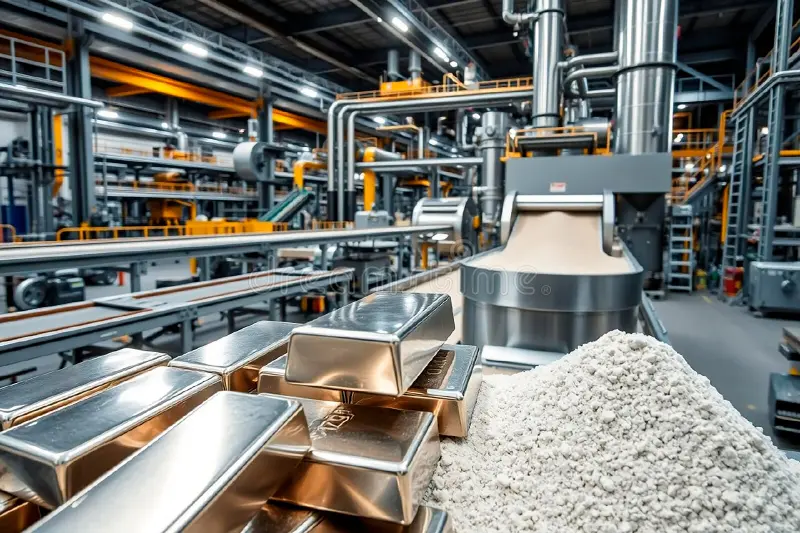
Commodity data tracked by Mining.com highlights a persistent split between Chinese domestic rare earth pricing and international warehouse rates. Materials such as yttrium—used in semiconductor plasma-etching chamber coatings and lasers—have traded at wide premiums in European spot markets compared with domestic Chinese prices due to export-licensing friction.
- Spot prices for rare earths like yttrium in Europe trade at significant premiums to Chinese domestic rates.
- Semiconductor foundries are surveying equipment makers on rare-earth-free cleanroom motors.
- How quickly precision wafer-handling robotics can transition to magnet-free actuators without losing throughput.
- ✓Sources: written from primary sources and official statements, linked above.
- ✓Fact-check: names, dates and claims checked against the original sources.
- ✓AI use: researched with AI tools; written and reviewed by our editors. Our AI policy
- ✓Independence: UpdateNext has no financial relationship with the companies covered.