Wall Street’s macro strategists see 2027 as the year the AI boom collides with physical and financial gravity. In its late-2026 global outlook, **Goldman Sachs** forecasts that worldwide AI infrastructure capex will climb toward **$1.8 trillion in 2027** — anchored by roughly $1.2 trillion from the five largest U.S. cloud hyperscalers (Amazon, Alphabet, Microsoft, Meta, and Oracle) — boosting global GDP growth by an estimated 0.4 percentage points.
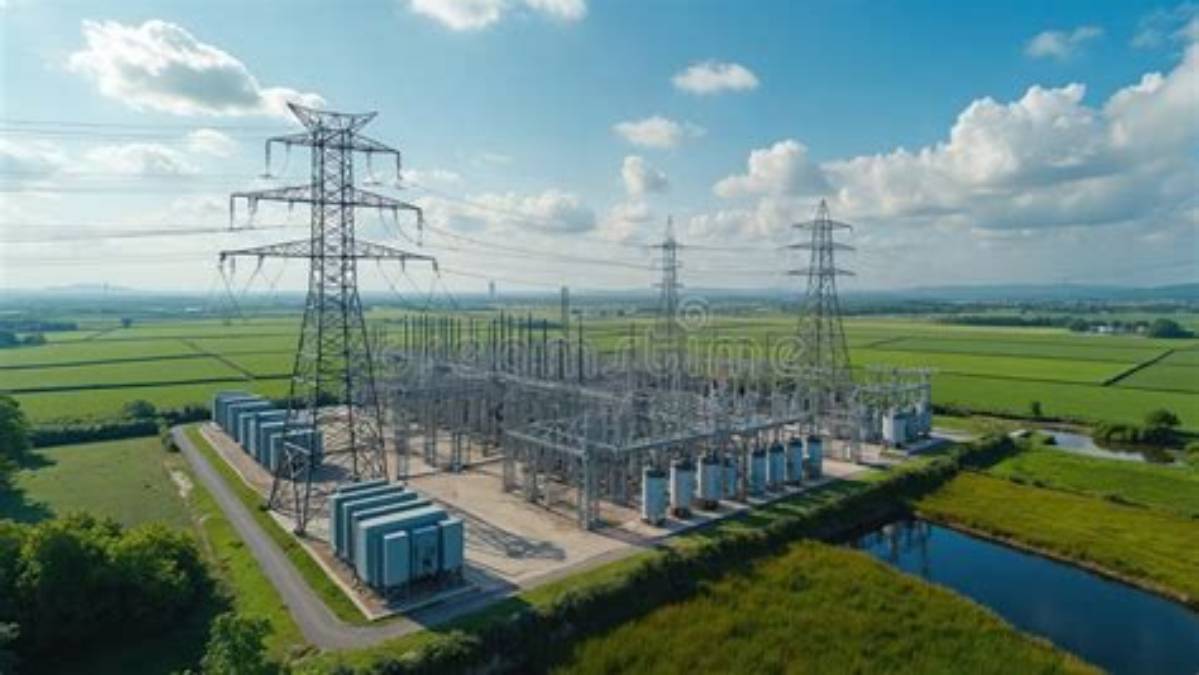
Yet beneath the headline numbers, Goldman’s research team highlights a pivotal shift: the constraint on AI growth has moved from GPU wafer supply to electrical grid megawatts and bond-market appetite.
ADVERTISEMENT
Get the daily AI briefingSubscribe
Two Stress Tests Defining the 2027 Capex Cycle
✓ WE KNOW
- Goldman Sachs projects global AI infrastructure capital expenditures will scale toward $1.8 trillion in 2027, with the top five U.S. hyperscalers (Amazon, Alphabet, Microsoft, Meta, and Oracle) accounting for roughly $1.2 trillion.
- Macroeconomists estimate the AI capex wave is actively contributing 0.4 percentage points to global GDP growth.
- However, Goldman warns of two critical 2027 stress tests: electrical grid transformer/interconnection bottlenecks and rising reliance on corporate debt markets to fund data-center expansion.
? STILL UNCLEAR
“In 2027, a gigawatt of permitted, grid-connected electrical power is worth more than a warehouse full of GPUs with nowhere to plug them in.”—
> how_we_reported_this
- ✓Sources: written from primary sources and official statements, linked above.
- ✓Fact-check: names, dates and claims checked against the original sources.
- ✓AI use: researched with AI tools; written and reviewed by our editors. Our AI policy
- ✓Independence: UpdateNext has no financial relationship with the companies covered.
> react:
Comments