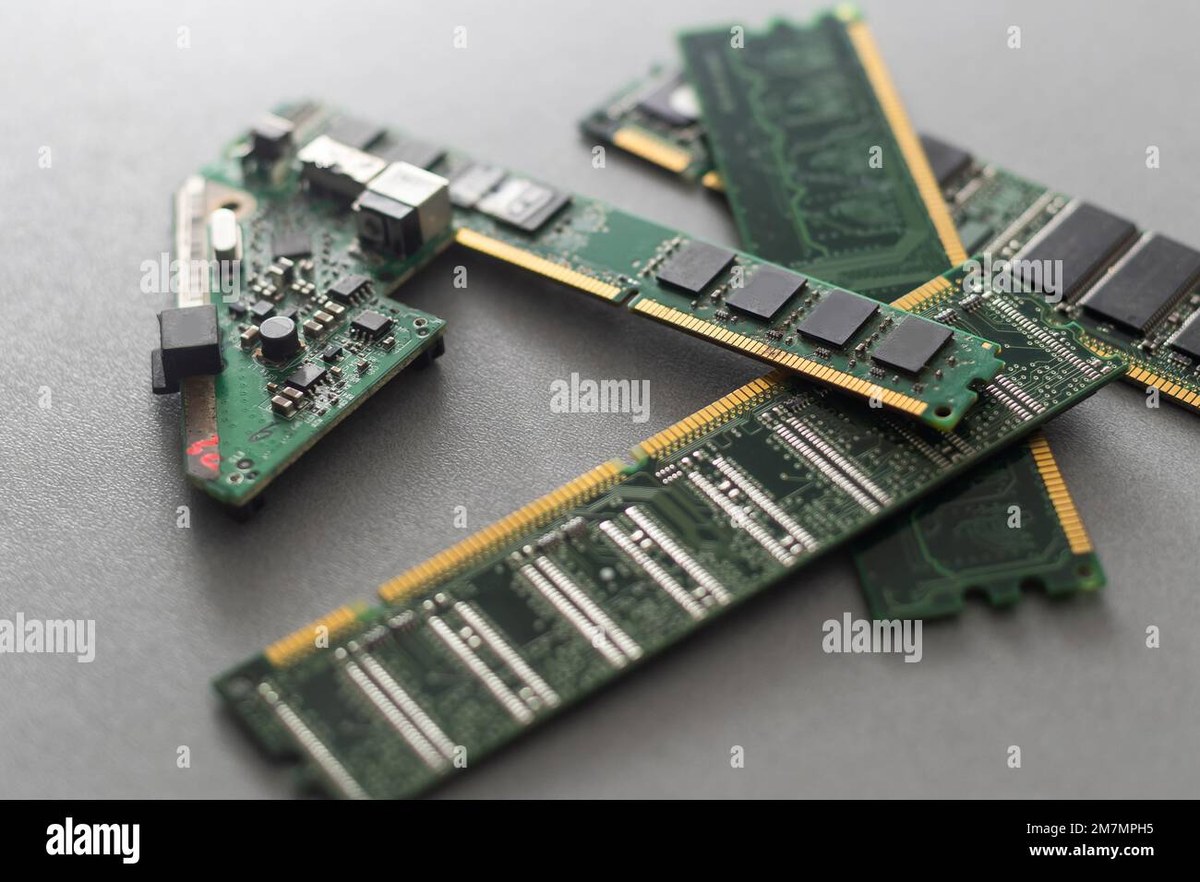
Why is your next smartphone or laptop going to cost $150 to $250 more in 2027? The answer is a supply-chain squeeze that hardware executives are calling **"Memflation"** (or **"RAMageddon"**). According to component pricing forecasts from Gartner and Asian DRAM trackers, contract prices for mobile LPDDR5X/LPDDR6 and PC DDR5 memory modules are set to climb another 25% to 35% through mid-2027.
The root cause is simple wafer math inside SK Hynix, Samsung, and Micron cleanrooms: every 300mm silicon wafer dedicated to stacking 12-high HBM4 for AI data centers consumes roughly three times the wafer area per gigabyte of standard DRAM.
ADVERTISEMENT
Get the daily AI briefingSubscribe
The Double Whammy Hitting 2027 Consumer Devices
✓ WE KNOW
- Supply-chain analysts have coined a new term for 2027’s biggest hardware headwind: "Memflation" (memory-driven component inflation) — also dubbed "RAMageddon" by mobile OEMs.
- Because one wafer of HBM4 for AI servers generates 3x to 4x higher profit margins than standard LPDDR5X/LPDDR6 mobile RAM, memory fabs have aggressively shifted wafer starts away from consumer electronics.
- At the same time, on-device AI requires phones to ship with 16GB of RAM and laptops with 32GB+, driving a projected 12% to 18% retail price increase on 2027 flagships.
? STILL UNCLEAR
“AI servers are eating the world’s silicon wafers, and consumer electronics buyers will pay the "Memflation" tab at checkout in 2027.”—
> how_we_reported_this
- ✓Sources: written from primary sources and official statements, linked above.
- ✓Fact-check: names, dates and claims checked against the original sources.
- ✓AI use: researched with AI tools; written and reviewed by our editors. Our AI policy
- ✓Independence: UpdateNext has no financial relationship with the companies covered.
> react:
Comments