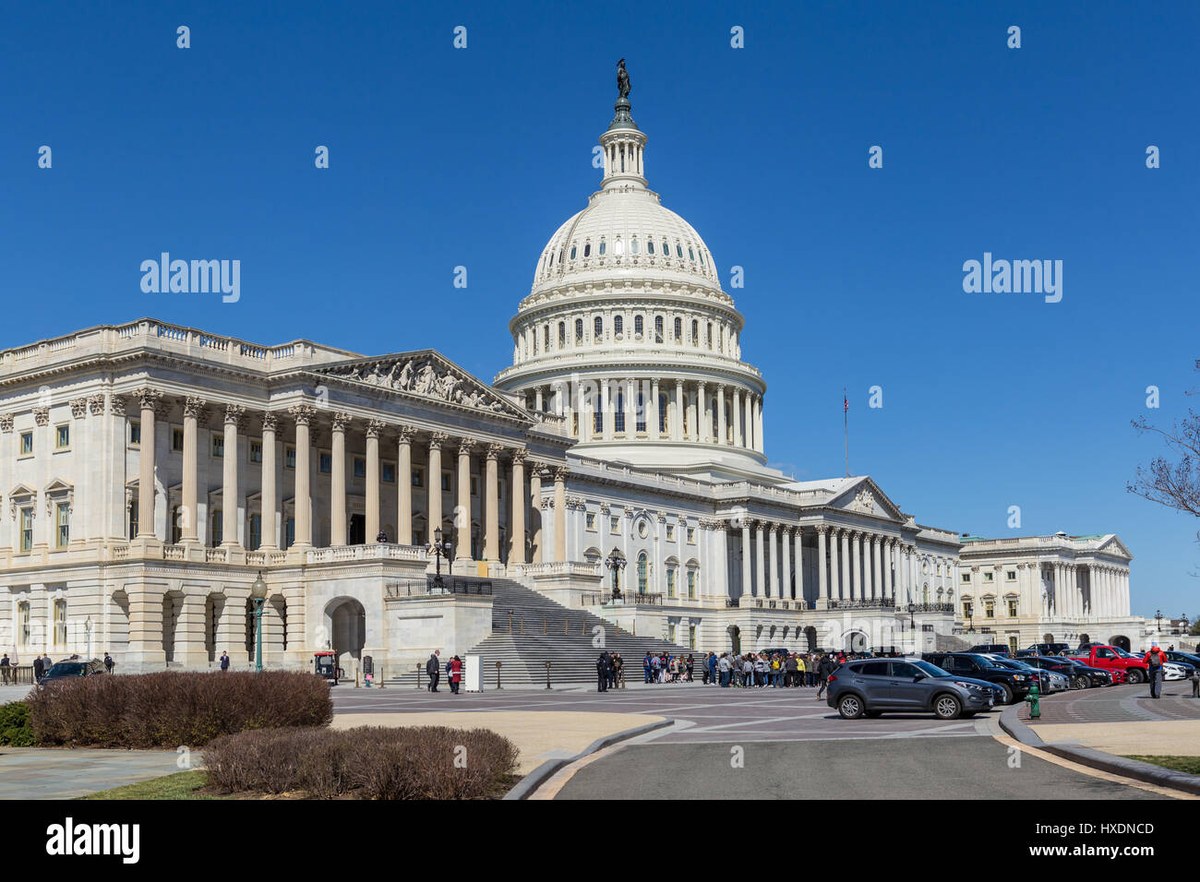
Inside the United States, the fiercest battle over artificial intelligence regulation is not happening on the floor of Congress — it is playing out between Washington and state capitals. As landmark state AI statutes in Colorado, California, and Texas enter active enforcement in late 2026, federal innovation task forces and major technology trade associations have mounted a legal push for federal preemption.
Enterprise general counsels warn that a single AI hiring, insurance, or customer-service agent deployed nationwide must currently satisfy incompatible state-level impact assessment and opt-out rules.
ADVERTISEMENT
Get the daily AI briefingSubscribe
The 2026 US Regulatory Battleground
✓ WE KNOW
- With Congress still divided on a single comprehensive federal AI statute, a complex patchwork of state AI laws in California, Colorado, and Texas has taken effect in late 2026.
- Federal policy teams and industry coalitions have launched coordinated legal challenges arguing that conflicting state algorithmic audit rules violate the U.S. Constitution’s dormant Commerce Clause.
- Federal agencies continue to anchor national standards around the voluntary NIST AI Risk Management Framework (RMF) and hardware export controls.
? STILL UNCLEAR
“An AI model trained in Texas, hosted in Virginia, and queried in California cannot rewrite its weights at every state border.”—
> how_we_reported_this
- ✓Sources: written from primary sources and official statements, linked above.
- ✓Fact-check: names, dates and claims checked against the original sources.
- ✓AI use: researched with AI tools; written and reviewed by our editors. Our AI policy
- ✓Independence: UpdateNext has no financial relationship with the companies covered.
1 view
> react:
Comments