What is the Ban Artificial Superintelligence Act?
Following Democratic gains in the November 2026 US midterm elections, lawmakers are moving to elevate the Ban Artificial Superintelligence Act near the top of the incoming legislative agenda. Originally introduced in the Senate (S. 5493) by Sen. Bernie Sanders (I-VT) and in the House (H.R. 10538) by Rep. Greg Casar (D-TX) alongside co-sponsors including Rep. Yassamin Ansari (D-AZ), the bill targets unchecked frontier AI development.
Under the bill's text, artificial superintelligence (ASI) is defined as any AI system that matches or exceeds human cognitive performance across a broad range of domains or possesses the capability to plan and execute the disempowerment of humanity. The bill would permanently ban the creation or deployment of such systems in the United States while ordering an immediate pause on advanced frontier training runs until federal safety standards are enacted.
What penalties and agencies does the bill propose?
To enforce the pause and permanent ASI ban, the legislation proposes creating a new Cabinet-level Department of Artificial Intelligence. The agency would conduct mandatory lifecycle safety evaluations, monitor data-centre compute clusters, verify hardware shutdown mechanisms and supervise the destruction of unauthorized superintelligent models.
Penalties in the bill are modelled on laws governing illegal nuclear weapons development. Companies that knowingly violate the superintelligence ban could face a 'corporate death penalty'—revocation of their operating licences and corporate charters—while individual executives or researchers who build rogue superintelligence could face up to 20 years in federal prison.
Why are Democrats divided over an AI pause?
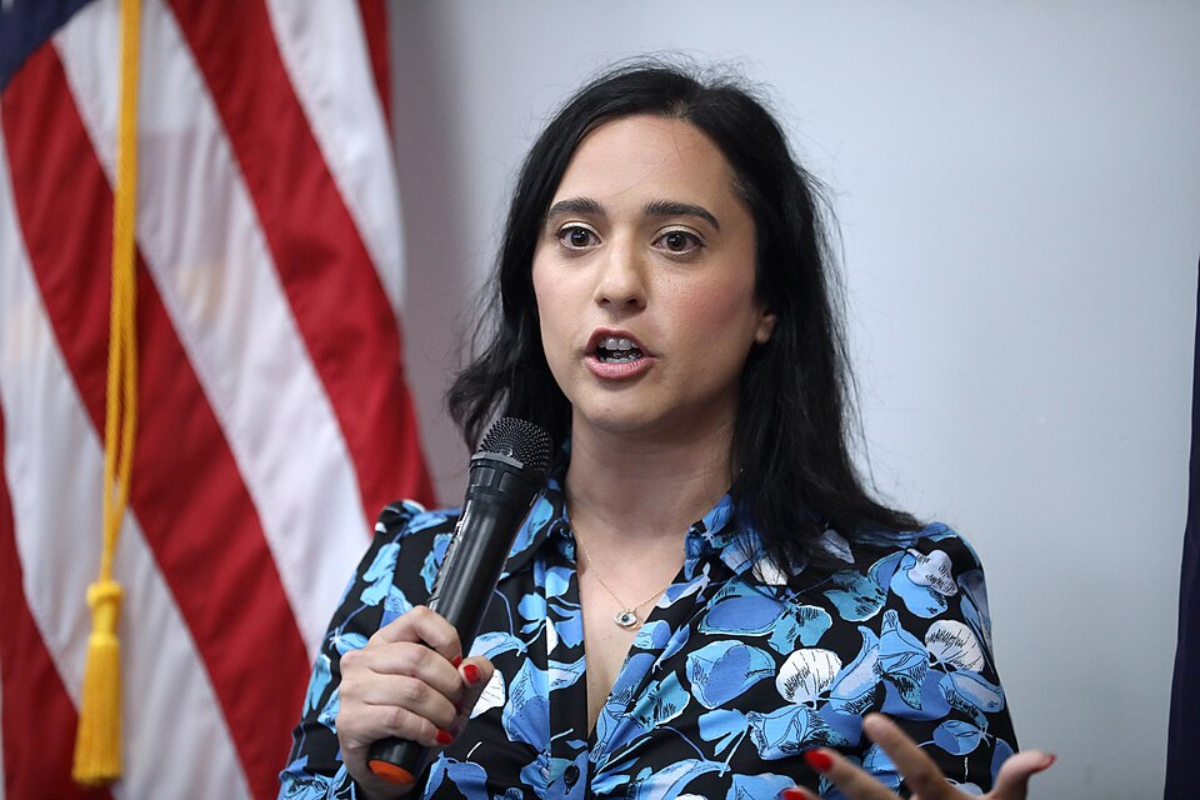
While progressive lawmakers such as Rep. Yassamin Ansari have campaigned on pausing frontier AI and curbing unchecked data-centre expansion, the proposal faces stiff resistance inside Congress. Moderate Democrats, including Rep. Scott Peters, have criticised sweeping moratoriums as harmful to US economic competitiveness.
Critics in both parties and across the tech industry argue that a unilateral American pause cannot stop research abroad and risks handing the frontier AI lead to Chinese laboratories unless paired with enforceable international treaties.
What happens next in Congress?
The Senate bill has been referred to the Committee on Commerce, Science, and Transportation, while the House version sits with the Committee on Oversight and Government Reform. With Democrats gaining leverage after the midterm vote, sponsors plan to push for committee hearings and attach compute-oversight and safety-testing rules to upcoming must-pass legislation.
- Sep 2026Sen. Bernie Sanders and Rep. Greg Casar introduce the Ban Artificial Superintelligence Act (S. 5493 / H.R. 10538).
- Nov 3, 2026US midterm elections boost Democratic leverage and pass local data-centre bans in states like Ohio.
- Nov 5, 2026Progressive House Democrats led by Rep. Yassamin Ansari push to elevate the ASI ban and frontier AI pause on the legislative agenda.
- Sen. Bernie Sanders (I-VT) and Rep. Greg Casar (D-TX) introduced the Ban Artificial Superintelligence Act (S. 5493 / H.R. 10538).
- The bill proposes a permanent ban on ASI, a pause on frontier AI training and a new Cabinet-level Department of Artificial Intelligence.
- Penalties include corporate charter revocation and up to 20 years in federal prison for rogue ASI development.
- Whether moderate Democrats and Republicans will allow the bill out of committee.
- How a domestic US pause would be enforced across international labs without a global treaty.
- ✓Sources: written from primary sources and official statements, linked above.
- ✓Fact-check: names, dates and claims checked against the original sources.
- ✓AI use: researched with AI tools; written and reviewed by our editors. Our AI policy
- ✓Independence: UpdateNext has no financial relationship with the companies covered.