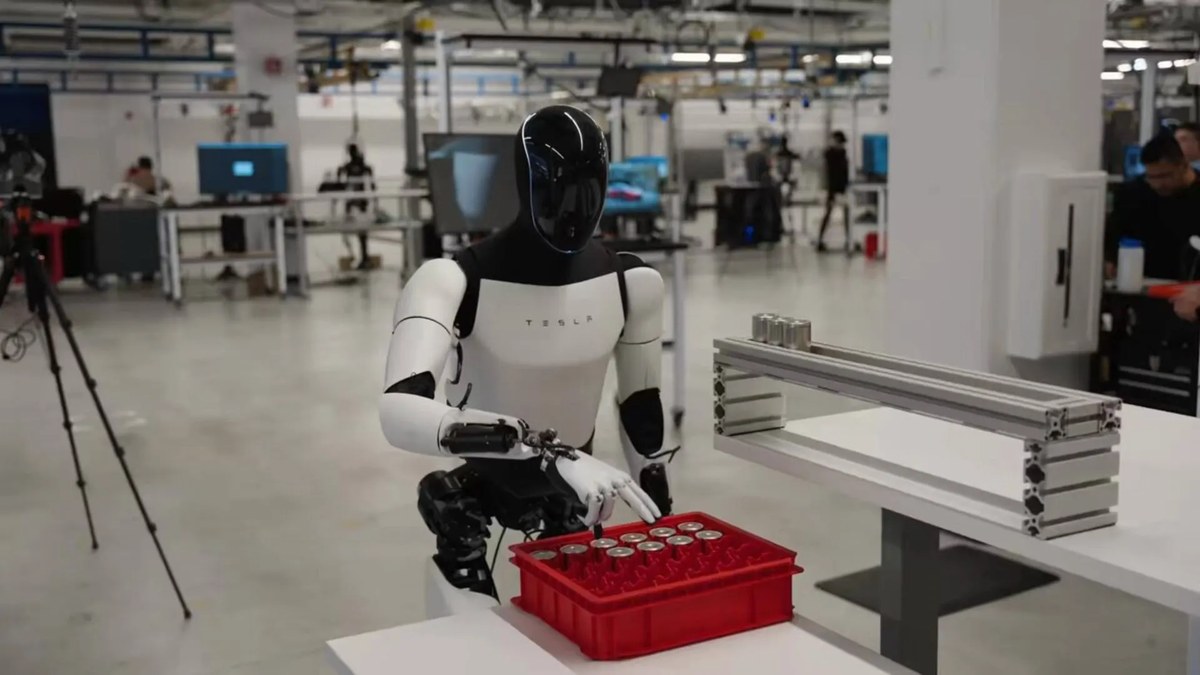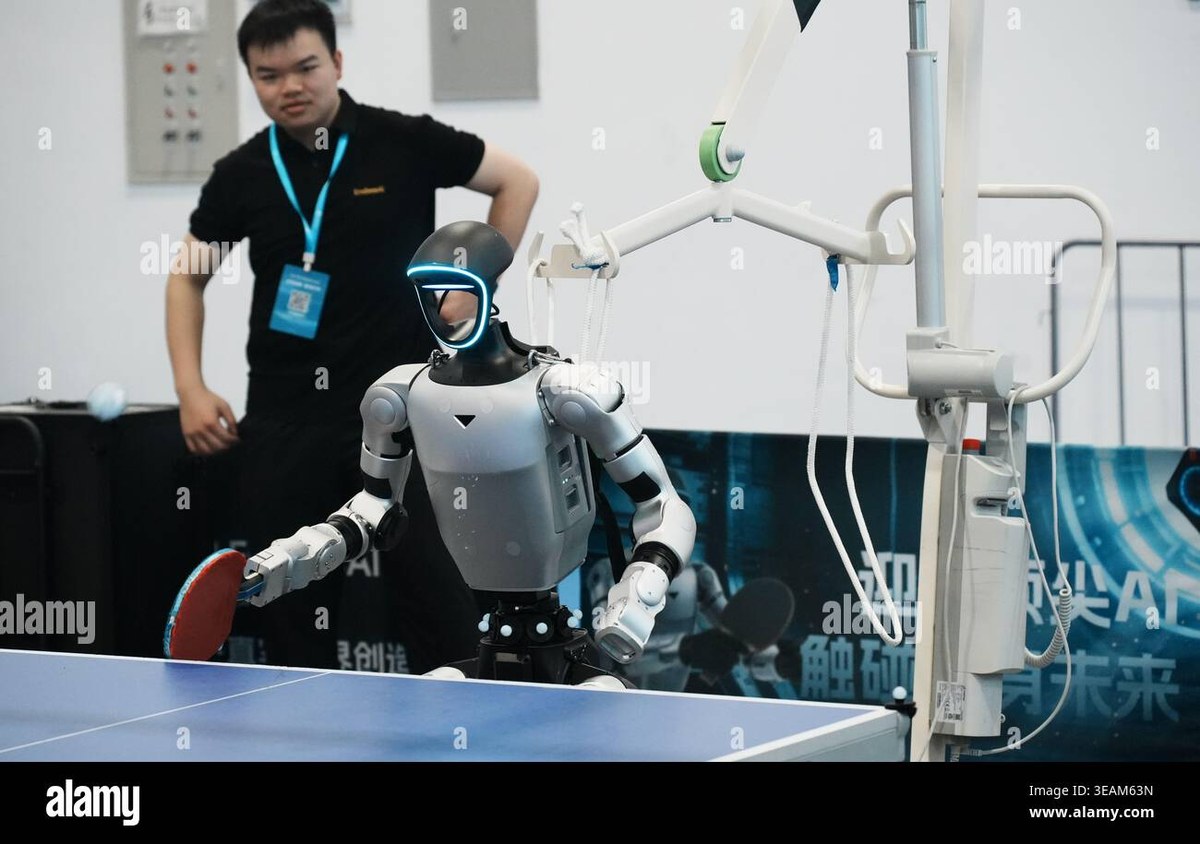
Walk into almost any university robotics laboratory in Stanford, Zurich, Tokyo, or Beijing in November 2026, and you will see the exact same bipedal robot standing next to the workstations: the **Unitree G1**. While Western humanoid startups guard their robots inside closed corporate pilot programs, Hangzhou-based Unitree Robotics has flooded the global developer market with a foldable, high-torque humanoid starting near $13,500.
This month, Unitree’s hardware once again dominated global tech feeds following grueling outdoor mountain-trail and stone-stair endurance challenges across China.
ADVERTISEMENT
Get the daily AI briefingSubscribe
Why Developers Everywhere Standardized on Unitree G1
✓ WE KNOW
- Hangzhou-based Unitree Robotics has captured dominant global share among AI research labs and independent developers with its mass-produced G1 humanoid, priced starting around $13,500 to $16,000.
- While U.S. humanoids are restricted to closed enterprise leasing pilots, anyone can order a Unitree G1 and deploy open-source reinforcement learning policies on it.
- Recent viral outdoor endurance trials — including steep mountain-stair climbs in China — sparked intense engineering debate over bipedal battery life and actuator thermal limits.
? STILL UNCLEAR
“Unitree did for humanoid robots what DJI did for quadcopters — drove the hardware cost down so low that the entire global research community builds on their platform.”—
> how_we_reported_this
- ✓Sources: written from primary sources and official statements, linked above.
- ✓Fact-check: names, dates and claims checked against the original sources.
- ✓AI use: researched with AI tools; written and reviewed by our editors. Our AI policy
- ✓Independence: UpdateNext has no financial relationship with the companies covered.
> react:
Comments