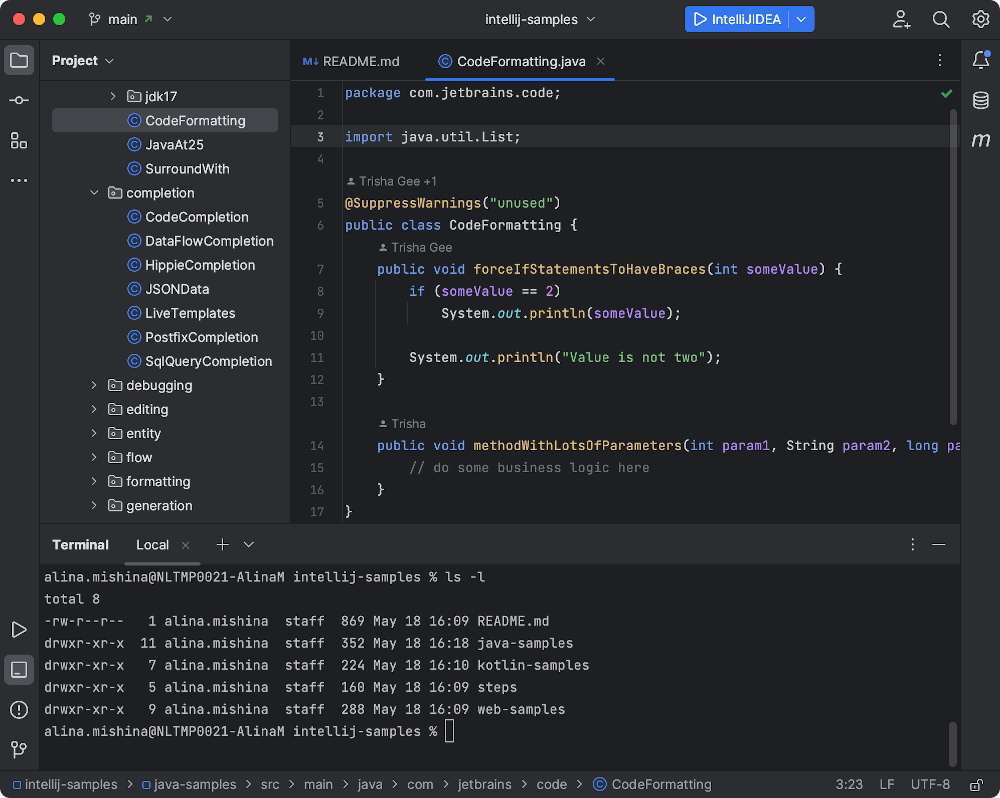
As autonomous coding agents generate more pull requests than human engineers can read, the bottleneck of software development has shifted from writing code to **reviewing and verifying code**. This week, **JetBrains** answered that challenge by rolling out **Air** across its flagship IDE family, including IntelliJ IDEA, CLion, PyCharm, and WebStorm.
Rather than locking developers into a single proprietary model, JetBrains Air acts as an open orchestration cockpit where engineers can plug in external agents — such as Anthropic’s Claude Code, OpenAI agents, or local MCP runners — and supervise them visually.
ADVERTISEMENT
Get the daily AI briefingSubscribe
Why Giving AI Agents Deterministic IDE Tools Changes Everything
✓ WE KNOW
- JetBrains has officially rolled out "Air" across its flagship IDEs (including IntelliJ IDEA, PyCharm, WebStorm, and CLion) in November 2026.
- Instead of forcing developers to choose between terminal agents and their classic IDE, Air provides a unified mission-control dashboard to spawn, monitor, and review external coding agents.
- Agents plugged into JetBrains Air gain direct access to the IDE’s deterministic AST refactoring engine, static analysis, and database schema inspectors.
? STILL UNCLEAR
“When an AI agent can call IntelliJ’s deterministic compiler refactorings instead of guessing with text diffs, hallucinated syntax errors drop to zero.”—
> how_we_reported_this
- ✓Sources: written from primary sources and official statements, linked above.
- ✓Fact-check: names, dates and claims checked against the original sources.
- ✓AI use: researched with AI tools; written and reviewed by our editors. Our AI policy
- ✓Independence: UpdateNext has no financial relationship with the companies covered.
> react:
Comments