While Western school districts continue to debate whether to ban or permit chatbots in homework, Beijing is making artificial intelligence engineering a mandatory national subject from first grade through high school. In a sweeping policy directive issued this month, China’s Ministry of Education formalized its timeline for achieving universal primary and secondary AI literacy nationwide by 2030.
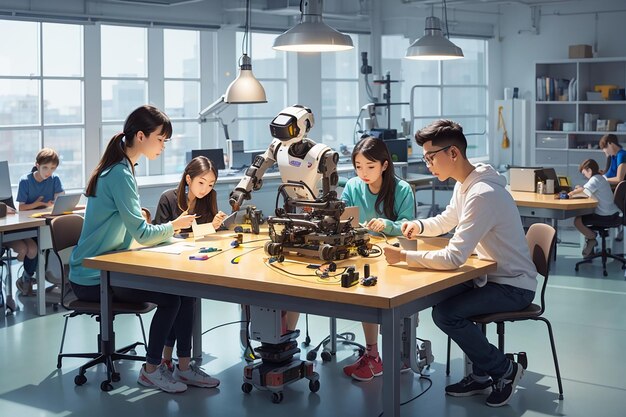
The curriculum moves far beyond passive computer literacy, requiring schools to establish dedicated "AI & Embodied Intelligence Labs" powered by domestic cloud platforms and robotics hardware.
ADVERTISEMENT
Get the daily AI briefingSubscribe
Inside China’s K-12 AI Curriculum Tiers
✓ WE KNOW
- China’s Ministry of Education has issued its comprehensive "AI + Education" implementation directive, mandating universal artificial intelligence education across all primary and secondary schools by 2030.
- Primary school students will receive foundational instruction in AI interaction and ethics, while middle and high schoolers must complete hands-on modules in model fine-tuning, agent workflows, and robotics control.
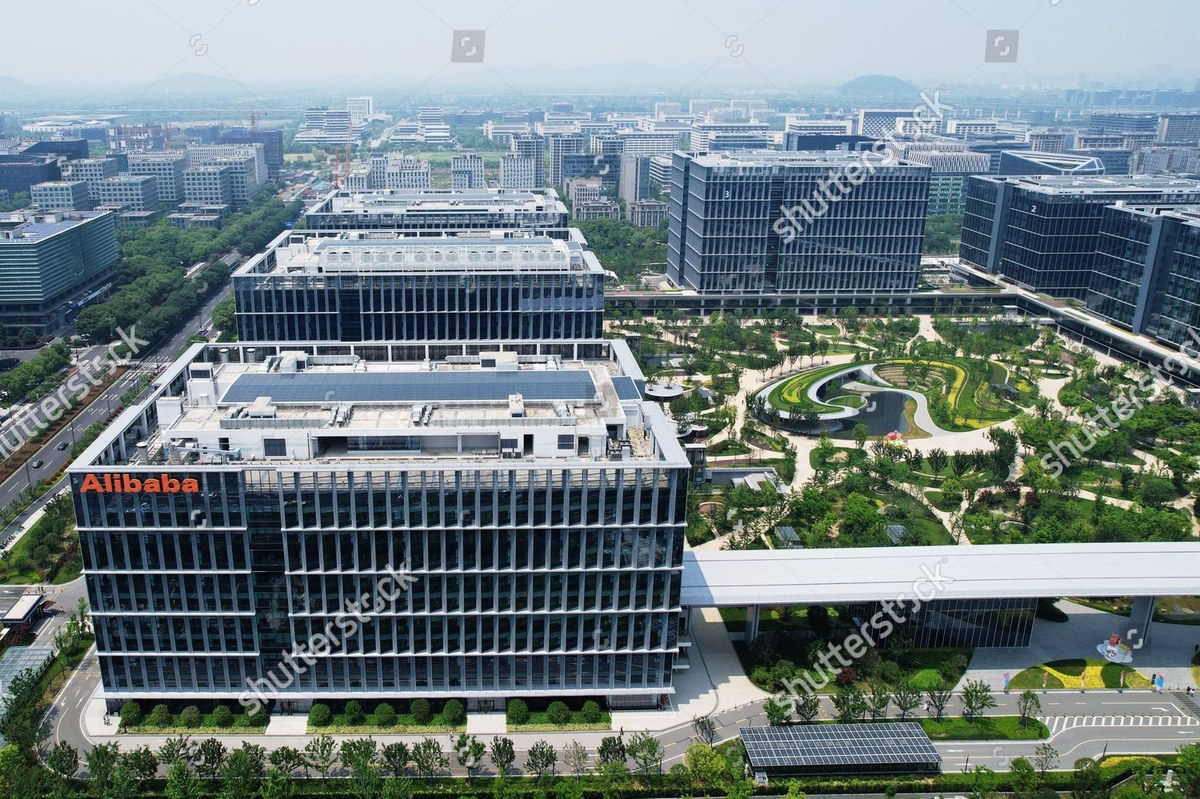
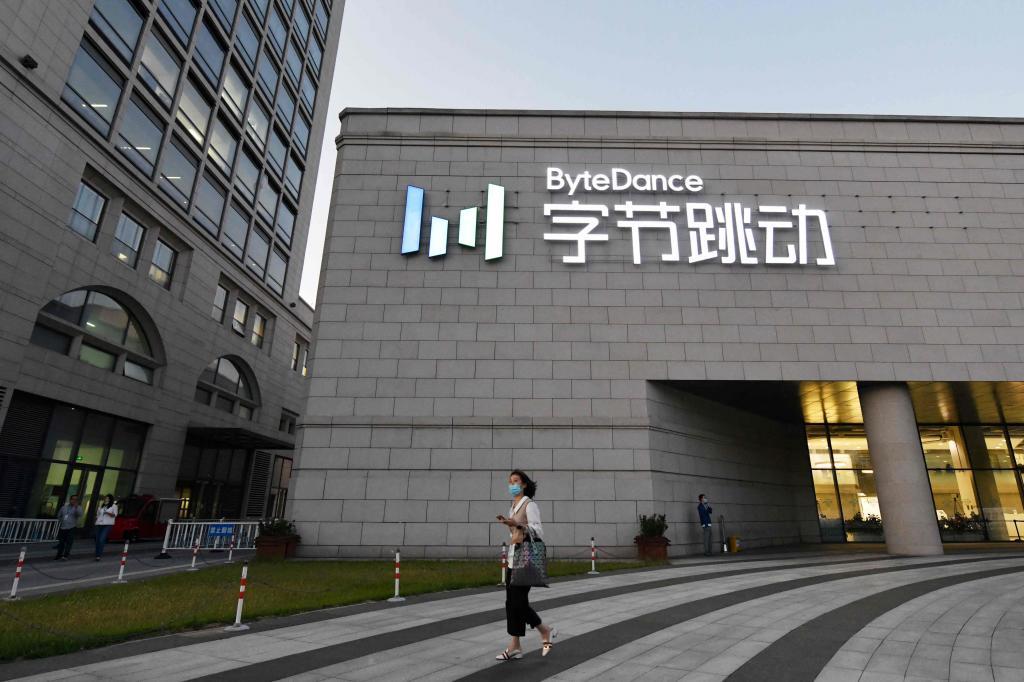
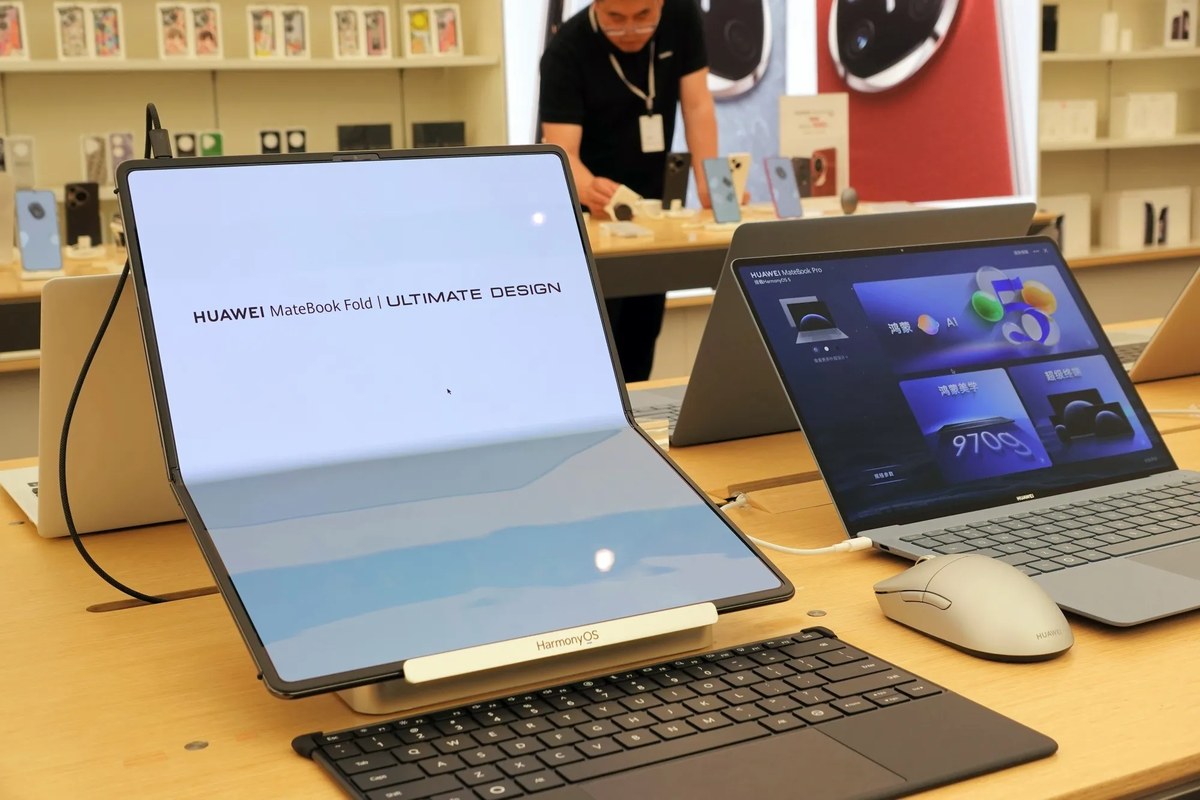
- Domestic tech giants including Alibaba, Baidu, Huawei, and Unitree have been tapped to supply subsidized classroom cloud credits and educational robot kits.
? STILL UNCLEAR
“Treating AI literacy like mathematics and reading across 180 million students is the ultimate long-term industrial policy.”—
> how_we_reported_this
- ✓Sources: written from primary sources and official statements, linked above.
- ✓Fact-check: names, dates and claims checked against the original sources.
- ✓AI use: researched with AI tools; written and reviewed by our editors. Our AI policy
- ✓Independence: UpdateNext has no financial relationship with the companies covered.
> react:
Comments